I spent the first six months of my procurement career placing small test orders and learning the hard way that a supplier website tells you almost nothing about their real production capacity. After visiting twelve factories across three countries and coordinating video audits for another eight, I put together a checklist that I wish I had on day one. If you are buying derma pens for a clinic chain or a distribution line, these are the questions you need answered before you send a purchase order.
Why production capacity matters more than unit price
A supplier in Shenzhen once showed me a price of USD 3.80 per derma pen handpiece with a claimed monthly output of 50,000 units. The price was attractive. The promised delivery was eight weeks. I placed an order for 2,000 units and paid a 30 percent deposit. Week six arrived and I received photos of what looked like a garage operation with three injection molding machines, not the fifty-machine facility they had described. The order arrived three months late and half the handpieces had visible flash lines where the plastic mold halves had not closed evenly. Since that experience I treat every capacity claim as unverified until I see supporting evidence. A factory that quotes aggressive lead times but runs a single shift with aging equipment is a factory that will miss every deadline.
Brands like tbphp that manufacture their own handpieces and cartridges in a single facility typically have tighter quality control because the engineering team can walk from the molding shop to the assembly line in under two minutes.
Key questions to ask during a video factory audit
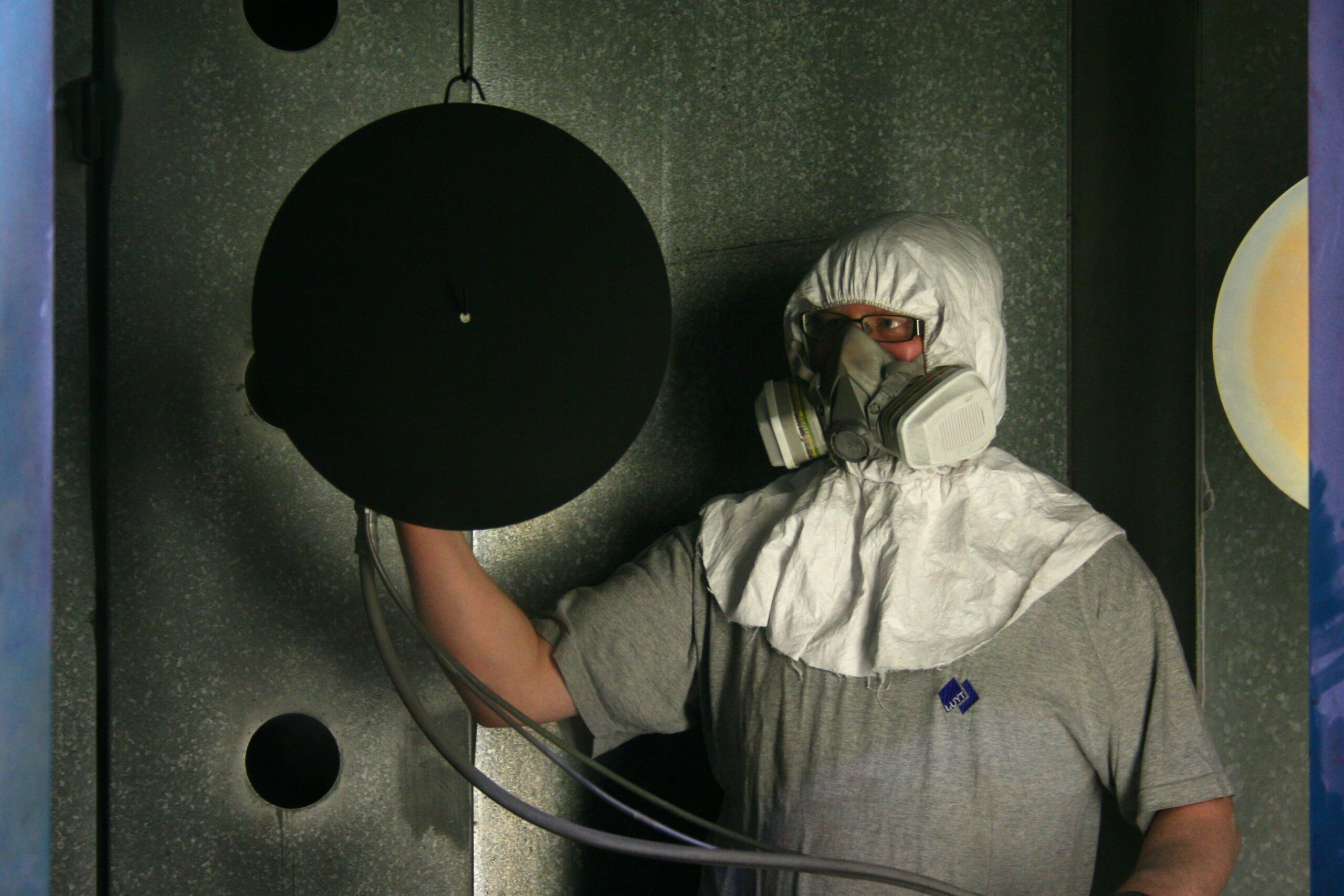
When you schedule a video call with a potential supplier, ask them to walk the camera through each of these areas. First, the injection molding workshop. Count the machines visible in one frame and ask about their tonnage. Derma pen handpieces require 80 to 120 ton injection molding machines for the main body parts. If you see only small benchtop units, the supplier is likely sub-contracting the molding to another shop. Second, the cleanroom or assembly area. Ask what ISO class the room maintains. For medical-grade derma pen cartridges, ISO Class 7 or better is expected. Ask for the latest particle count report. Third, the sterilization partner or in-house equipment. EO sterilizers need aeration time that affects your lead time. If the factory outsources sterilization, ask for the third-party certificate and the average processing window.
| Checkpoint | What to Look For | Red Flag |
|---|---|---|
| Injection molding machines | 80+ ton, maintained, branded | Benchtop units or none visible |
| Cleanroom certification | ISO Class 7 cert within 12 months | No certificate or expired |
| EO sterilization | In-house or contracted with current cert | Cannot name partner |
| QC lab equipment | Vision inspection, pull tester, hardness tester | No QC lab shown |
| Shift schedule | Two or three shifts daily | Single shift only |
| Raw material inventory | Medical-grade resin with lot numbers | Generic packaging |
How to verify existing OEM clients
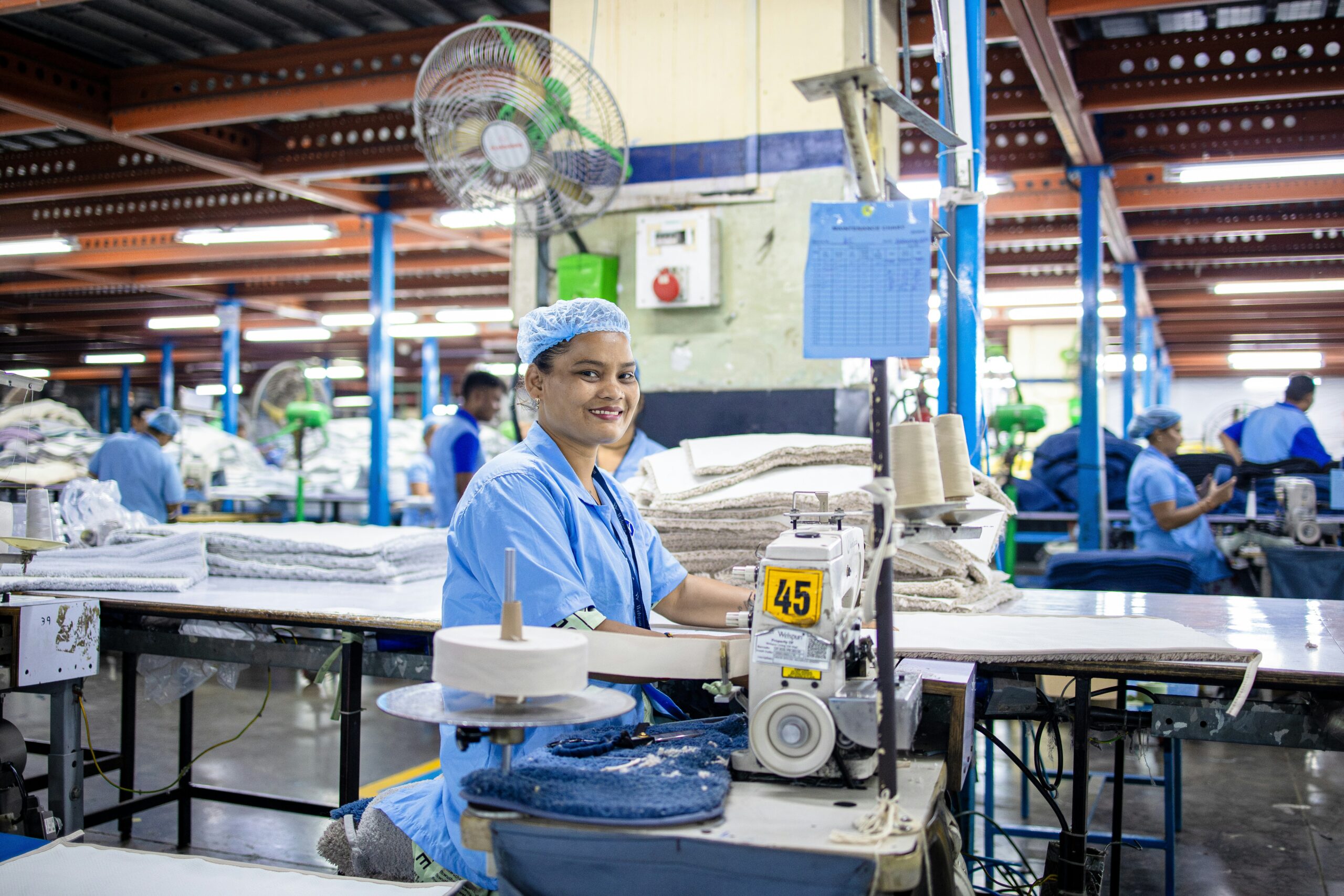
A factory that works with established brands will usually let you tour their OEM production line during a video call as long as you do not film specific client logos. Ask whether they currently produce for any brand that requires CE or UKCA certification. If they say yes, request a sanitized version of their device technical file or at least a declaration that their quality management system has passed a notified body audit. Some suppliers will show you a batch record with client identifiers redacted. That is a good sign because it means they maintain batch traceability. Suppliers that cannot or will not demonstrate any OEM track record often struggle with documentation requirements when you ask for a design history file or a sterilization validation report later.
When I visit factories such as tbphp I notice the difference in documentation readiness. Batch records are organized, sterilization certificates are current, and the QC team can pull a retained sample from any production lot within an hour.
Sampling and pre production qualification steps
Before committing to a full production run, I recommend a three-stage qualification. Stage one: request pre-production samples from their existing stock and have them tested by a third-party lab for dimensional accuracy. Stage two: after samples pass, place a pilot order of 100 to 200 units and ask the factory to send in-process photos at each assembly step. Stage three: once the pilot order ships, inspect the goods against an agreed checklist before authorizing the first bulk order. Suppliers who hesitate at stage one or two are usually the ones who fail stage three. A factory that has worked with OEM buyers before will know that this qualification process is standard practice.
I have audited over forty medical device factories in Asia. The ones that pass a video call without excuses are usually the ones that also pass an on-site audit. If a supplier resists a live walkthrough of their production floor, consider that your answer and move on.
Senior Quality Auditor at a European medical device distributor
A derma pen supplier that can walk you through their production floor on a live video call, show you their quality control process, and provide auditable documentation is worth a trial order. The ones that deflect, reschedule, or send pre-recorded videos instead of a live walkthrough are hiding something. Spend your time on suppliers that pass the video audit first and you will save months of troubleshooting later.
Frequently asked questions
How many injection molding machines should a derma pen factory have?
For mid-volume production of 5,000 to 10,000 handpieces per month, a factory should operate at least four to six injection molding machines in the 80 to 120 ton range. Lower counts suggest the factory may be a trading company that outsources molding.
What cleanroom class is required for derma pen cartridge assembly?
ISO Class 7 or better is the industry expectation for medical microneedling cartridges. ISO Class 8 may be acceptable for non-sterile, cosmetic-grade products, but most clinics prefer Class 7 certified assembly rooms.
Can I trust a factory that does not have in-house sterilization?
Many reputable factories outsource EO sterilization to certified third-party facilities. This is acceptable as long as they can provide the sterilization certificate, cycle parameters, and a valid ISO 11135 certification from the contract sterilizer.
How long does a typical video factory audit take?
A thorough audit of a derma pen factory takes forty-five to ninety minutes. Shorter audits usually miss important checkpoints like the QC lab and raw material storage areas.
What documentation should I request before the first order?
Request the ISO 13485 certificate, CE technical file declaration, sterilization validation report, material biocompatibility test results, and at least two batch records from recent production runs.
For a broader overview of supplier evaluation, see How to Choose How To Choose Dermapen For Clinic Pu.
If you are comparing options, also read Buyers Guide to How To Choose Dermapen For Clinic .